
Welcome To Galco Hearing Aid Service
Galco Hearing Aid Service specializes in thorough hearing evaluations, fitting & dispensing of the most innovative hearing instruments. We’ve been doing just that since 1988.


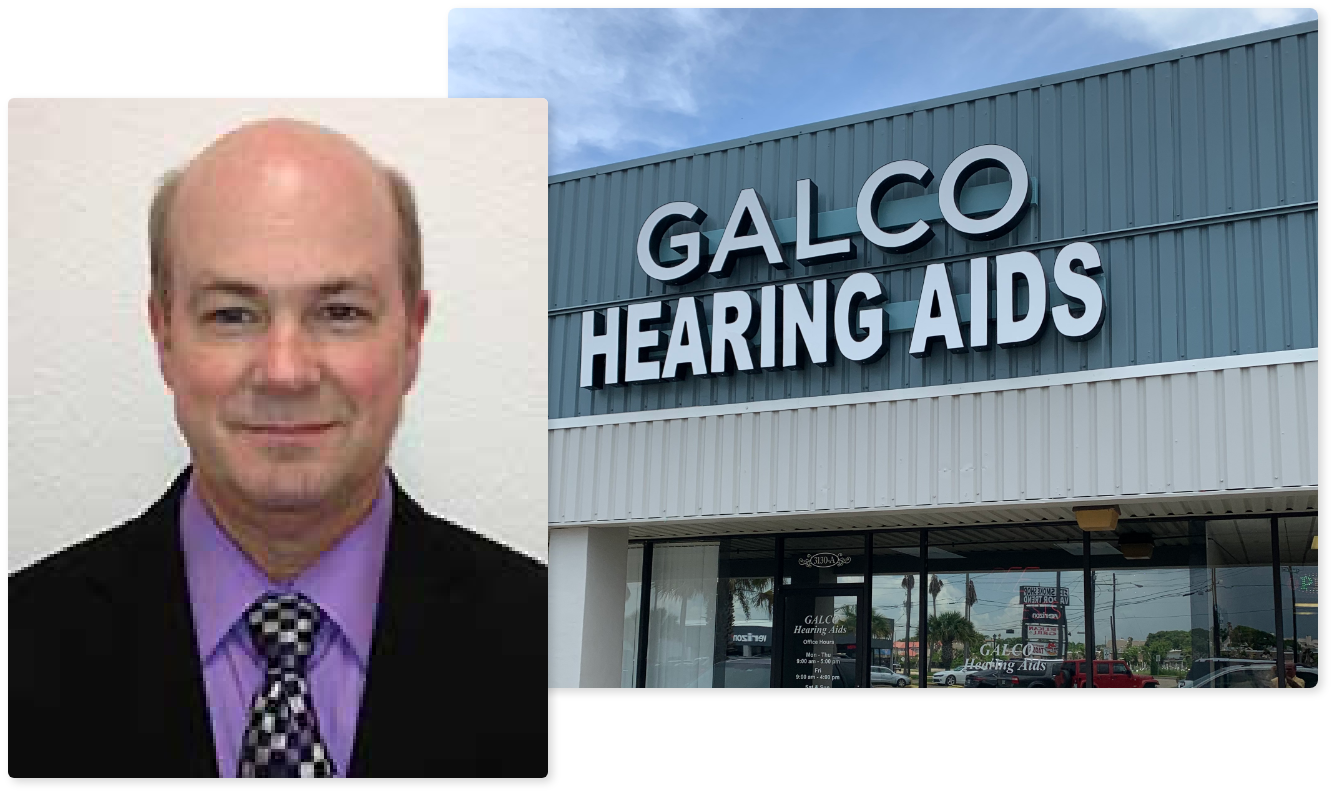
Meet Mark Busscher
Mark Busscher, owner and Licensed hearing instrument specialist, has been helping Texans hear better for more than 40 years. Mark is committed to your total hearing health. Mark’s full service approach includes follow up visits and regular maintenance with every hearing aid provided by Galco. Mark delivers better hearing results with state of the art testing and fitting equipment along with an extensive selection of best in class digital hearing aids. Mark Busscher, a Michigan native but a Texan since 1983, lives in Alvin with is wife and daughters. Mark is an avid sports enthusiast and an awesome bowler.
Our Advanced Hearing Technology
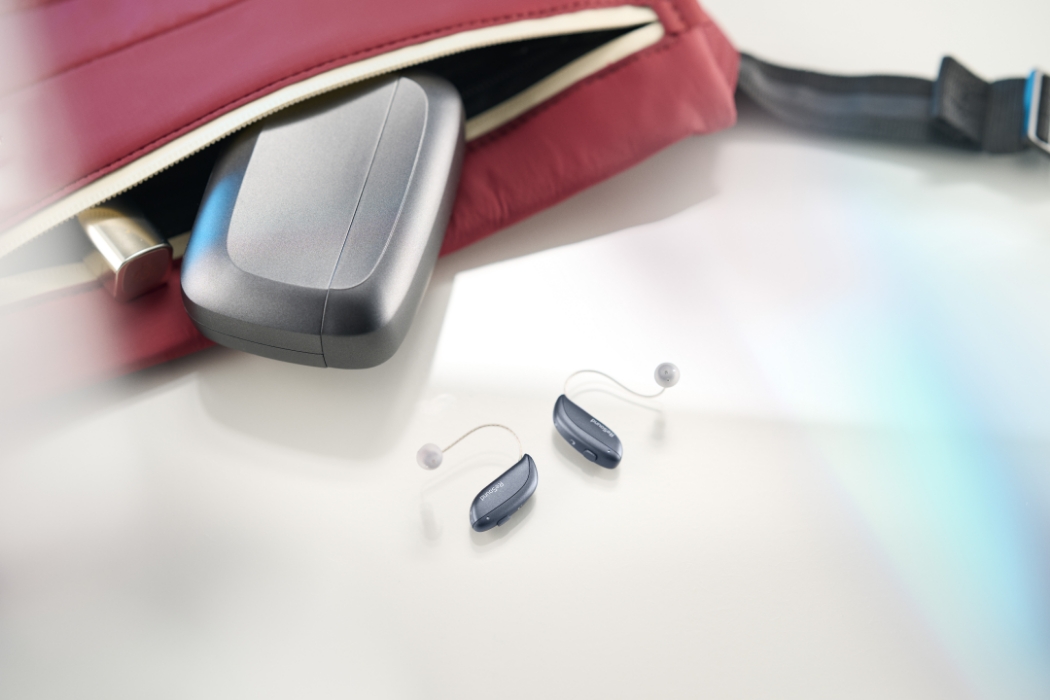
Galco Hearing Aid Service works with the most innovative hearing aid manufacturers in the world. As an independent provider, Licensed Hearing Instrument Specialist, Mark Busscher will recommend the best hearing aid solution for your individual hearing loss while being mindful of your budgetary concerns and lifestyle demands. Galco Hearing Aid Service works with the following hearing aid brands: ReSound, Oticon, Phonak, Signia, Starkey and Widex.
View Our Current Promotions
At Galco Hearing Aid Service we use only use the most advanced hearing aid technology to deliver the best possible hearing. By listening to you we understand the challenges you face and the demands of your lifestyle. This means we can provide a better hearing solution.
Come see us today
Receive $1,000 Off
on a set of ReSound Vivia Hearing Aids!
Insurance And Financing
We make every effort to make it as easy possible for each and every patient to gain the benefit of better hearing. Insurance, payment, & easy payment plan options available. We are working with these financing partners:



Hear From Our Patients
Why take our word for it when you can read what these folks have to say about their experience with Galco Hearing Aid Service.
Start With A No Obligation Consultation
Two convenient locations with personal service only adds to the effectiveness of the hearing care we provide to you and your family.
Call us toll free: 1-800-443-7193